Best A2 Ghee Brands in the US (2026): What to Look For and What to Buy
A2 ghee is made from milk with only A2 beta-casein protein. We explain what A2 means, why it matters, and which US brands offer genuine A2 ghee.
Last updated:
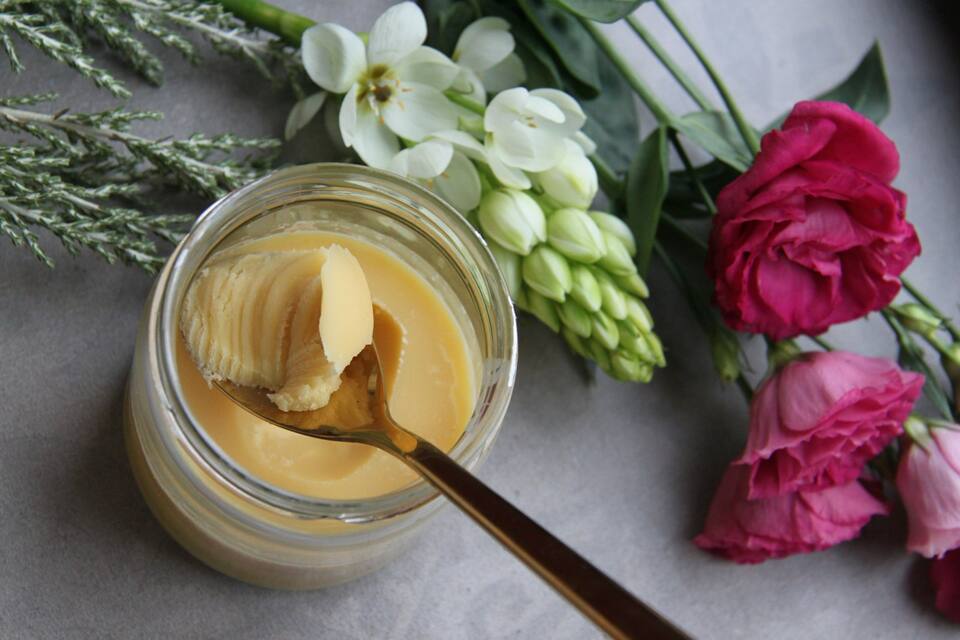
If you have looked into A2 dairy, you already know the question: does the type of beta-casein protein in milk actually matter? The science is still developing, but a meaningful number of people report that A2 dairy sits better with them than conventional dairy — even without a formal lactose intolerance diagnosis. If you have tried ghee from conventional sources and found it less comfortable than expected, A2 ghee is worth investigating.
The challenge is that A2 ghee is genuinely rare. Most popular ghee brands — Fourth & Heart, Ancient Organics, Pure Indian Foods — use milk from conventional Holstein cows, which produce a mixture of A1 and A2 beta-casein. True A2 ghee requires sourcing from heritage cattle breeds (Desi cows like Gir, or Guernsey cattle) or water buffalo. That limits your options in the US market considerably.
This guide explains what A2 protein is, why it matters for some buyers, and which products are actually worth your money.
What Makes Ghee A2?
The Beta-Casein Question
Casein is the primary protein family in cow’s milk, and beta-casein is its most abundant form. There are two common genetic variants: A1 beta-casein and A2 beta-casein. The difference is a single amino acid substitution at position 67 of the protein chain.
Most modern Holstein and Friesian dairy cows — the breeds that dominate industrial dairy production — produce milk containing a mix of both A1 and A2 beta-casein. Older, more heritage-adjacent breeds tend to produce predominantly A2 milk. These include:
- Gir cows (Bos indicus, from Gujarat, India) — produce exclusively A2 milk
- Sahiwal cows (another South Asian Bos indicus breed) — predominantly A2
- Guernsey cows — approximately 95% of Guernsey milk is A2 beta-casein
- Jersey cows — higher A2 frequency than Holsteins, though not exclusively A2
- Water buffalo (Bubalus bubalis) — naturally produce A2 beta-casein milk
Research suggests that when A1 beta-casein is digested, it releases a peptide called beta-casomorphin-7 (BCM-7). Some researchers have proposed that BCM-7 may be associated with digestive discomfort in some individuals. The evidence is still under active scientific debate, and no clinical consensus exists on whether A2 dairy provides measurable health benefits for the general population. However, the anecdotal reports from people with dairy sensitivity are consistent enough that A2 dairy has become a meaningful product category.
Why Ghee Is Already Casein-Reduced
Here is an important nuance that many buyers miss: standard ghee production removes the milk solids — including milk proteins like casein — from the butterfat. This means all ghee has substantially less casein than butter or cream, regardless of whether it is made from A1/A2 or pure A2 milk.
For most people with mild dairy sensitivity, conventional ghee is already well-tolerated precisely because it lacks the casein and lactose that cause problems. If you tolerate conventional ghee comfortably, you are unlikely to notice a difference with A2 ghee.
A2 ghee is most relevant for people who:
- React to conventional ghee despite its reduced casein content (trace proteins may remain)
- Prefer A2 dairy sourcing as a precautionary approach
- Follow Ayurvedic dietary traditions that specifically value milk from indigenous Desi cow breeds
Where to Buy A2 Ghee in the US
Gir Organic A2 Ghee — Best for Amazon Availability
Gir Organic sources milk from Gir cows raised in India. Gir cows are a Bos indicus breed native to Gujarat and one of the oldest documented cattle breeds in South Asia. They produce exclusively A2 beta-casein milk — there is no genetic ambiguity here, unlike with Jersey or Guernsey cattle that carry mixed A1/A2 herds.
The ghee is produced using the traditional bilona churning method, in which cultured butter is churned from curd (yogurt) rather than sweet cream. This is the Ayurvedic gold-standard production method and results in a distinctive aromatic ghee with a slightly more complex, tangy flavor profile than most American-market ghee brands. The milk solids are clarified out using a slow-cook method in small batches.
What we like about Gir Organic:
- Certified A2 sourcing from a breed with no A1 genetics
- Bilona method production — the most traditional Ayurvedic preparation
- Available on Amazon Prime with standard shipping across the US
- Glass jar packaging (no plastic contact with the product)
- Grass-fed: Gir cows are pasture-raised in their native environment
What to know before you buy:
- Expect a significant price premium over mid-range grass-fed ghee brands — Gir Organic falls in the premium tier
- Flavor is more aromatic and complex than bland, mild domestic ghee; some buyers prefer this, some do not
- Shelf stability is the same as conventional ghee: 12+ months sealed, 6–9 months opened at room temperature
What About Buffalo Ghee?
Water buffalo (Bubalus bubalis) naturally produce A2 beta-casein milk. Buffalo ghee is therefore another route to A2-type protein sourcing, and it is more widely available in Indian grocery stores across the US than Gir cow ghee.
Buffalo ghee has a slightly different flavor profile than cow ghee — it is typically whiter in color, denser in texture, and has a milder, creamier taste. The fat composition also differs: buffalo milk is richer in fat overall, which yields a denser ghee.
If you have access to an Indian grocery, buffalo ghee is an economical and authentic A2 alternative to seek out. Look for brands that specify “buffalo ghee” (also called “makkhan” or “makhan” in some regional formulations) rather than blended products.
What is A2 ghee? ►
A2 ghee is made from the milk of cows that produce only A2 beta-casein protein — a genetic variant found in older cattle breeds. Conventional dairy cows produce a mix of A1 and A2 beta-casein. Research is ongoing, but some people report better digestive tolerance of A2 dairy products.
Which US ghee brands use genuine A2 milk? ►
Gir Organic is the most widely available A2 ghee brand on Amazon in the US. It sources milk from Gir cows, an ancient Indian breed that naturally produces only A2 beta-casein. Buffalo ghee brands also provide A2 protein, as water buffalo produce predominantly A2 milk.
Is A2 ghee worth the premium price? ►
If you tolerate conventional ghee well, A2 ghee offers no documented additional benefit. If you notice digestive discomfort from conventional ghee, A2 ghee may be worth trying. Research on A2 dairy is still evolving — the premium is justified primarily for those with specific digestive sensitivities.
Where to Go Next
If you are still evaluating ghee brands more broadly, the full brand comparison table covers all six major brands side by side — filterable by certifications, price tier, and dietary compatibility including grass-fed and Ayurvedic sourcing.
For a broader buying guide covering the top-rated ghee brands regardless of A2 status, see Best Ghee Brands.