Best Ghee for Keto in 2026: Our Top Picks for a Ketogenic Diet
Ghee is one of the most keto-friendly cooking fats available. We reviewed the best grass-fed ghee brands for keto, paleo, and low-carb diets.
Last updated:
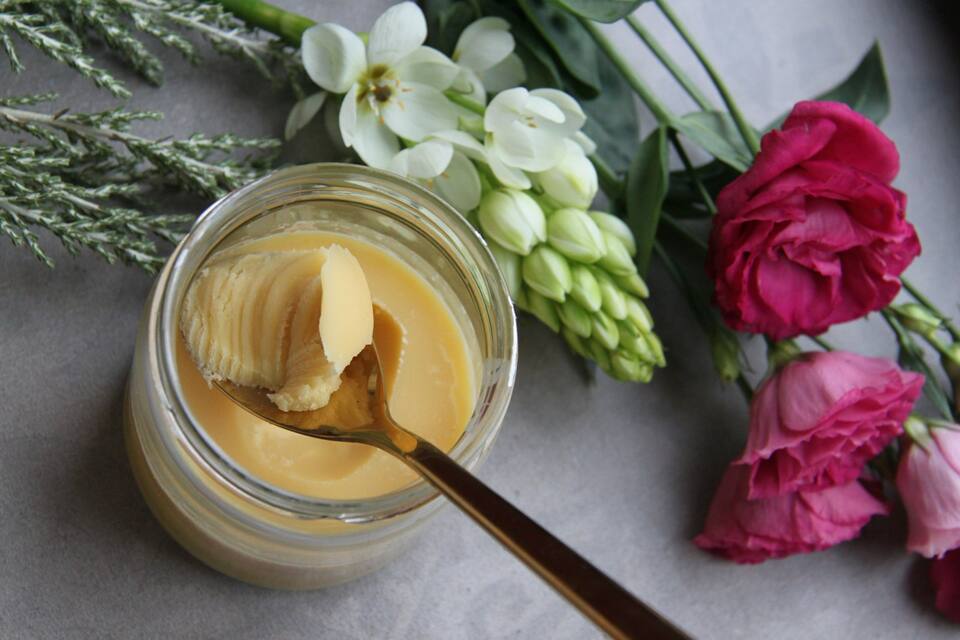
Ghee and the ketogenic diet are a natural fit. A tablespoon of ghee contains around 14 grams of fat and zero carbohydrates — exactly the macronutrient ratio a ketogenic diet requires. It has a smoke point near 485°F, which makes it more heat-stable than most cooking fats, and it is completely free of lactose and casein, the two dairy components that trigger sensitivities in some people.
The ketogenic diet limits carbohydrates sharply — typically to under 20–50 grams per day — in order to drive the body toward using fat as its primary fuel source. Research suggests that high-fat, low-carb dietary patterns may support certain metabolic outcomes for some individuals, though results vary significantly depending on adherence, individual physiology, and overall diet composition. Ghee fits into this framework as a calorie-dense, carb-free cooking fat that does not require any macro tracking gymnastics.
Not every ghee performs equally for keto use, however. The best keto ghees are sourced from grass-fed cows, have a single-ingredient label (just butter or clarified butter), and carry certifications that verify those sourcing claims independently. The brands below have all been evaluated specifically for keto-relevant properties: clean ingredient labels, grass-fed sourcing, and suitability for high-heat cooking and bulletproof coffee preparation.
Why Ghee Is Keto-Friendly
The Macronutrient Case
Ghee is approximately 99–100% fat by composition. A standard one-tablespoon serving contains around 112–130 calories, 14 grams of fat, and zero carbohydrates. Compare this to olive oil (0g carbs, 14g fat), coconut oil (0g carbs, 14g fat), and avocado oil (0g carbs, 14g fat) — ghee is nutritionally comparable to the other top keto fats, with the advantage of a higher smoke point and a richer, more complex flavor profile.
The fat composition of grass-fed ghee is predominantly saturated fat and monounsaturated fat, with a small amount of polyunsaturated fat. Grass-fed dairy tends to have a higher ratio of conjugated linoleic acid (CLA) compared to conventional dairy — research suggests CLA may have metabolic relevance, though the effect sizes in human studies are modest and individual responses vary considerably.
Zero Lactose, Zero Casein
The clarification process that produces ghee removes both lactose (a milk sugar) and casein (a milk protein). For keto practitioners who are also lactose-intolerant or who have eliminated dairy proteins for other reasons, ghee provides the flavor and richness of butter without the dairy components that cause problems.
This makes ghee particularly useful for people who follow a dairy-free ketogenic diet or a Paleo-style keto approach: they get the cooking properties of butter without any of the dairy-derived carbohydrates or proteins.
High Smoke Point Advantage
The ketogenic diet encourages cooking with fat rather than avoiding it. Ghee’s smoke point of approximately 485°F means it holds up under high-heat cooking methods — searing, roasting, wok cooking — that would oxidize lower-smoke-point fats. Oxidized fats are a legitimate concern in a diet where fat is the primary fuel source; using a heat-stable fat like ghee mitigates this risk.
Keto Ghee Brand Reviews
Best Overall Keto Ghee
Fourth & Heart
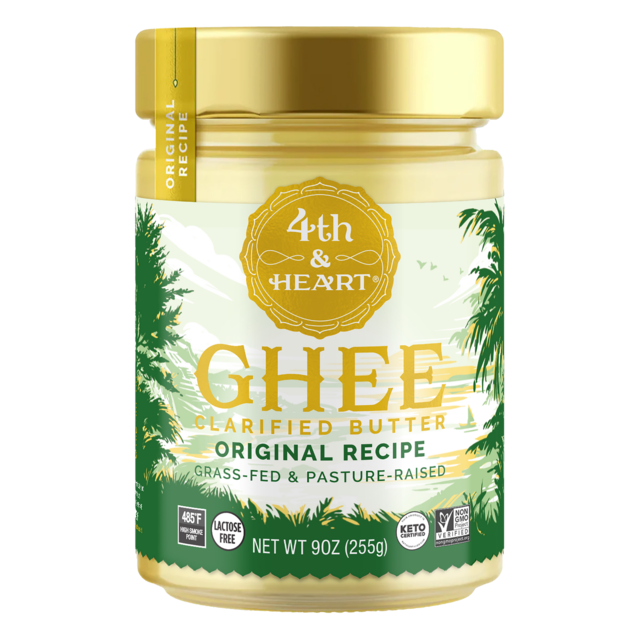
Fourth & Heart is the easiest recommendation for most keto dieters: USDA Organic, grass-fed dairy from New Zealand, Non-GMO Project certified, and widely available at Whole Foods, Target, Costco, and Amazon. The macronutrient profile is exactly what keto requires — pure fat, zero carbs, single ingredient (clarified butter from grass-fed cows).
The flavor is clean and mildly nutty, which works well both for high-heat cooking and for blending into bulletproof coffee. It is not as intensely flavored as Tin Star Foods’ brown butter variant, which is an advantage for buyers who want a neutral base that doesn’t dominate the flavor of a dish. At mid-range pricing with large jars available, the per-ounce cost is competitive among certified organic options.
For keto purposes, the relevant certifications are USDA Organic (independent audit of sourcing standards) and Non-GMO Project (ingredient testing). Neither certification speaks directly to keto macros, but both verify that the grass-fed claim has been independently checked — which matters when you are consuming ghee in large quantities as a primary fuel source and want confidence in what you are eating.
Best for: Daily keto cooking, first-time ghee buyers, bulletproof coffee, high-heat searing
Best Brown Butter Keto Ghee
Tin Star Foods
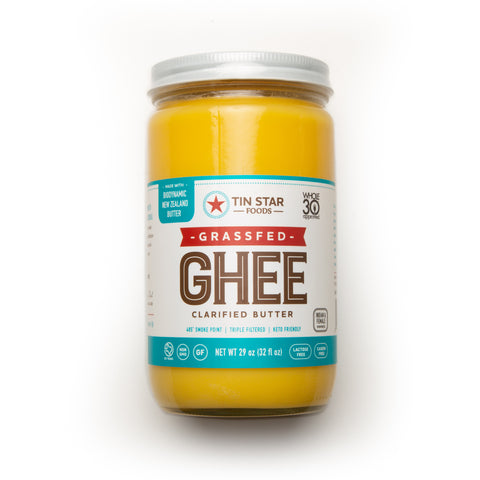
Tin Star Foods produces a brown butter ghee that is distinctly different from every other brand on this list. The clarification process is extended to allow the milk solids to caramelize before removal — the result is a ghee with a deep, nutty, slightly sweet flavor that many keto and paleo practitioners specifically prefer for bulletproof coffee and finishing applications.
The brand uses US-sourced grass-fed, pasture-raised butter and holds Paleo Foundation certification — a certification with specific requirements for grass-fed sourcing and animal welfare. For keto-paleo crossover buyers, the Paleo certification is meaningful because it requires independent verification of the grass-fed claim.
The trade-off is that Tin Star does not hold USDA Organic certification, which some keto buyers consider essential. It also carries a premium price point and comes in smaller jars, pushing the per-ounce cost higher than Fourth & Heart or Bulletproof. However, for buyers who want a distinctively flavored keto ghee — particularly one optimized for bulletproof coffee — Tin Star’s brown butter profile has no real competition in the category.
Best for: Bulletproof coffee enthusiasts, keto-paleo crossover buyers, buyers who want complex ghee flavor
Best Known Keto Brand
Bulletproof Ghee
Bulletproof is the brand most directly associated with the keto-bulletproof coffee lifestyle — Dave Asprey’s original bulletproof coffee protocol specified blending ghee or grass-fed butter with MCT oil as a fat-heavy morning meal. The Bulletproof Ghee product is designed specifically for this use case: a grass-fed, clean-label ghee optimized for blending into coffee or tea.
The fat profile is appropriate for keto: pure fat, zero carbs, single source. The brand has high recognition within the keto community, which means readers searching for keto-specific ghee will encounter it frequently. The sourcing is grass-fed, though Bulletproof does not hold USDA Organic certification.
For buyers who are already in the Bulletproof ecosystem (Bulletproof Coffee, Brain Octane MCT Oil, Bulletproof Collagen Protein), using Bulletproof Ghee is a natural choice — the brand has built its identity around the keto-performance nutrition space and the products are designed to work together. For buyers evaluating independently, Fourth & Heart or Tin Star Foods may offer better sourcing transparency for the price point.
Best for: Bulletproof coffee protocol, buyers already in the Bulletproof ecosystem, keto coffee preparation
Best Premium Keto Ghee
Ancient Organics
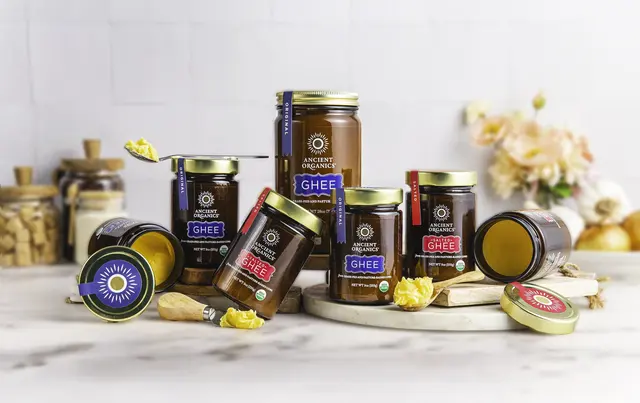
Ancient Organics is the most traditionally produced ghee on this list. Slow-simmered from cultured, grass-fed biodynamic butter in California, it follows classical Ayurvedic production methods — a process that produces a richer, more complex flavor profile than commercial clarification. USDA Organic and biodynamic sourcing are both present.
For keto purposes, the macros are the same as any other ghee: pure fat, zero carbs. What Ancient Organics adds is sourcing rigor that exceeds standard USDA Organic requirements — biodynamic farming standards include soil management and ecosystem considerations that go well beyond basic organic certification. For buyers who approach keto from a whole-foods, nutrient-quality perspective rather than just a macro-counting perspective, this sourcing difference matters.
The premium price is the limiting factor. Ancient Organics is not positioned as an everyday cooking fat — it is an investment in the highest-quality ghee available in the US market. Keto dieters who go through significant quantities of ghee daily may find the cost prohibitive. But for those who want the most rigorously sourced ghee available, regardless of price, Ancient Organics is the clear answer.
Best for: Premium keto buyers, sourcing-conscious dieters, special occasion cooking
Keto + Whole30 Compatible
Pure Indian Foods
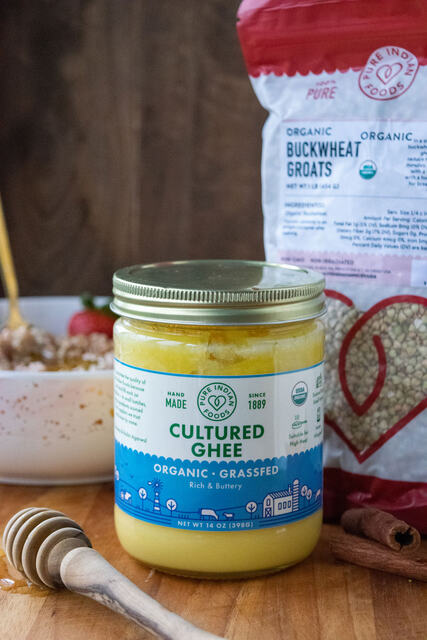
Pure Indian Foods occupies a useful niche: it is both keto-compatible (pure fat, zero carbs) and Whole30 Approved certified — a combination that serves keto dieters who also do periodic Whole30 resets or who want a single ghee that satisfies multiple dietary protocols simultaneously. The brand holds USDA Organic certification as well.
The flavor is mild with mild sweetness and good depth for its price point. It performs well for everyday keto cooking. The mid-range pricing and solid certifications make it accessible for regular use. The main limitation is lower retail visibility — you are more likely to find it online than at local grocery stores.
For keto dieters who want a certified grass-fed, organic ghee that is also verified Whole30 compliant, Pure Indian Foods is the only brand on this list that satisfies all three requirements simultaneously. No other brand in the data holds both Whole30 Approved and USDA Organic certifications.
Best for: Keto + Whole30 crossover buyers, buyers who want multiple certifications from one brand
Quick Comparison: Top Three Keto Picks
| Brand | Price Tier | Certifications | Best For |
|---|---|---|---|
| Fourth & Heart | Mid-Range | USDA Organic, Non-GMO Project | Everyday keto cooking |
| Tin Star Foods | Premium | Paleo Foundation | Bulletproof coffee, rich flavor |
| Bulletproof Ghee | Premium | Grass-Fed (no organic) | Bulletproof coffee protocol |
How to Use Ghee on Keto
High-Heat Cooking
Ghee’s ~485°F smoke point makes it the go-to fat for high-heat cooking on a keto diet: searing proteins (steak, chicken thighs, salmon), roasting vegetables, and wok-style cooking. At these temperatures, lower-smoke-point fats like olive oil or avocado oil begin to oxidize — ghee remains stable. This makes it particularly valuable in a diet where fat is consumed in large quantities and oxidation risk is a practical concern.
Finishing and Flavor
A spoonful of ghee added to finished dishes — stirred into sauces, melted over roasted vegetables, mixed into cauliflower mash — adds richness and fat without carbohydrates. The nutty, slightly caramelized flavor of a quality grass-fed ghee is a functional flavor enhancer in keto cooking, where the reduced carbohydrate palette means fat-based flavors carry more of the culinary load.
Bulletproof Coffee
Blending ghee into black coffee produces the classic bulletproof coffee: a high-fat, zero-carb morning drink that provides sustained energy without an insulin spike. The standard ratio is one tablespoon of ghee plus one to two tablespoons of MCT oil or coconut oil, blended until frothy. Research suggests that medium-chain triglycerides (MCTs) may support ketone production in the context of a ketogenic diet, though blending with ghee is primarily about fat loading and satiety rather than direct ketone generation.
For the smoothest emulsification, use a blender rather than stirring. Tin Star Foods’ brown butter ghee adds a distinctly richer flavor to the coffee; Fourth & Heart’s neutral profile is less pronounced. Both are commonly used for this purpose.
Keto Baking Substitution
Ghee can substitute for butter in most keto baking applications (almond flour breads, fathead dough, keto cheesecakes) at a 1:1 ratio by weight. Because ghee contains no water (butter is roughly 15–20% water), baked goods made with ghee will be slightly denser and crisper. This is often a desirable outcome in keto baking, where the absence of gluten already changes the texture profile considerably.
The absence of milk solids in ghee means it will not contribute the slight dairy flavor that butter provides. In applications where that flavor is part of the intended outcome, you may notice a difference. In neutral applications — coconut flour pancakes, keto brownies made with cacao — ghee and butter are functionally interchangeable.
Frequently Asked Questions
Is ghee allowed on keto? ►
Yes — ghee is one of the most keto-friendly fats available. It is nearly pure fat with zero carbohydrates, making it compatible with strict ketogenic macros. Research suggests that high-fat, low-carb diets like keto may support certain metabolic outcomes, though individual results vary.
Is ghee better than coconut oil for keto? ►
Both ghee and coconut oil are popular keto fats. Ghee has a higher smoke point and a richer, more versatile flavor for cooking. Coconut oil contains more medium-chain triglycerides (MCTs), which some keto practitioners prefer for cognitive and energy effects. Many keto dieters use both depending on the application.
Can I put ghee in bulletproof coffee? ►
Yes — ghee in bulletproof coffee (also called butter coffee) is a classic keto hack. It adds richness and fat without carbohydrates. Many keto practitioners use ghee alongside MCT oil or coconut oil in their morning coffee.
Does ghee break a fast? ►
Pure fat (ghee) does not trigger an insulin response for most people and is generally considered compatible with fat-adapted intermittent fasting. Whether it 'breaks a fast' depends on your fasting goals — it will interrupt a strict water fast but is typically acceptable for a fat fast.
For a full side-by-side comparison of all brands we track — including filters for grass-fed, Whole30, A2, and certification status — see our complete brand comparison table. For a broader overview of the best ghee brands across all categories, see our best ghee brands roundup.